
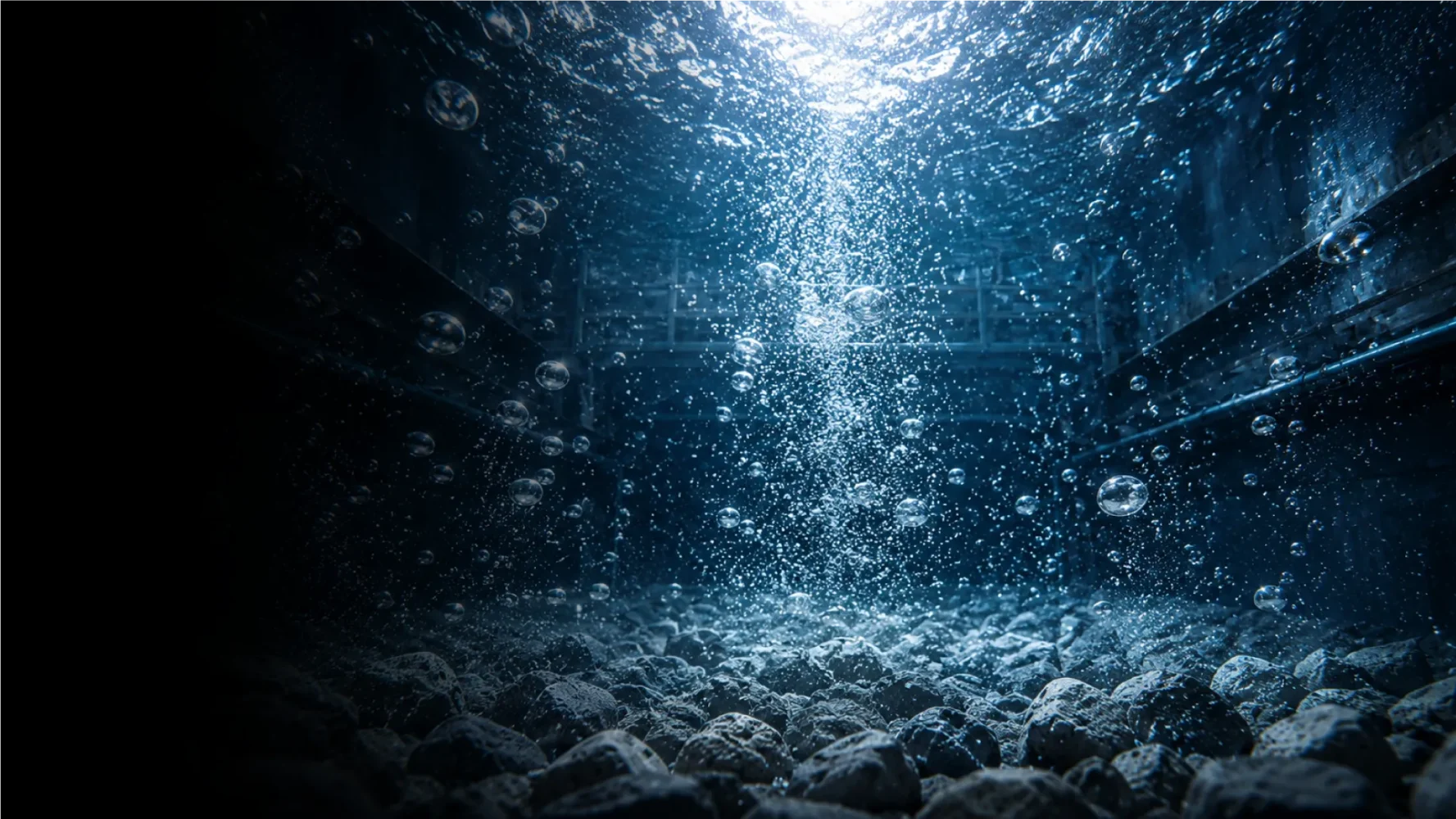
Denitrification without relying on chemicals.
The only monthly maintenance cost is electricity.
High-concentration, fluctuating load wastewater
Stable and low-cost processing.
The monthly running costs are
Electricity charges only*
No chemicals required. Minimal energy consumption.
Robust against load fluctuations, stable processing.
Its performance does not deteriorate even at high concentrations of nitrate nitrogen.
Simple to manage
Fewer operational adjustments are required, reducing the burden on on-site staff.
* In addition to electricity costs, approximately 5-10% of pellets need to be replenished annually.
Con
Denitrification involves higher operating costs than equipment costs.
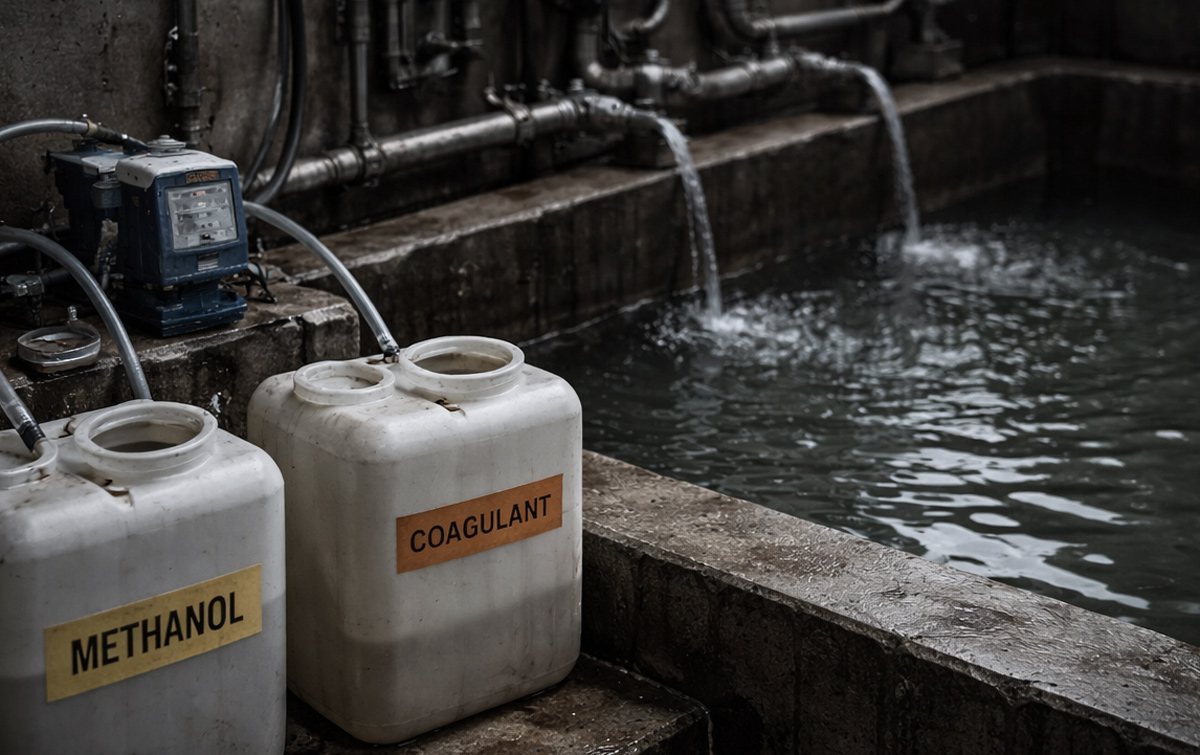
- methanol, etc.Drug costs continue to be incurred.
- Processing becomes unstable due to load fluctuations.
- Closed bodies of water, etc.It cannot consistently meet stringent environmental regulations.
- We are considering adding more equipment,We don't want to increase the workload of equipment management.
Solution
Denitrification is a “costly process”
Freed from
QCL-SODP uses sulfur-oxidizing denitrifying bacteria.Sulfur oxidation denitrification methodWe adopted this.
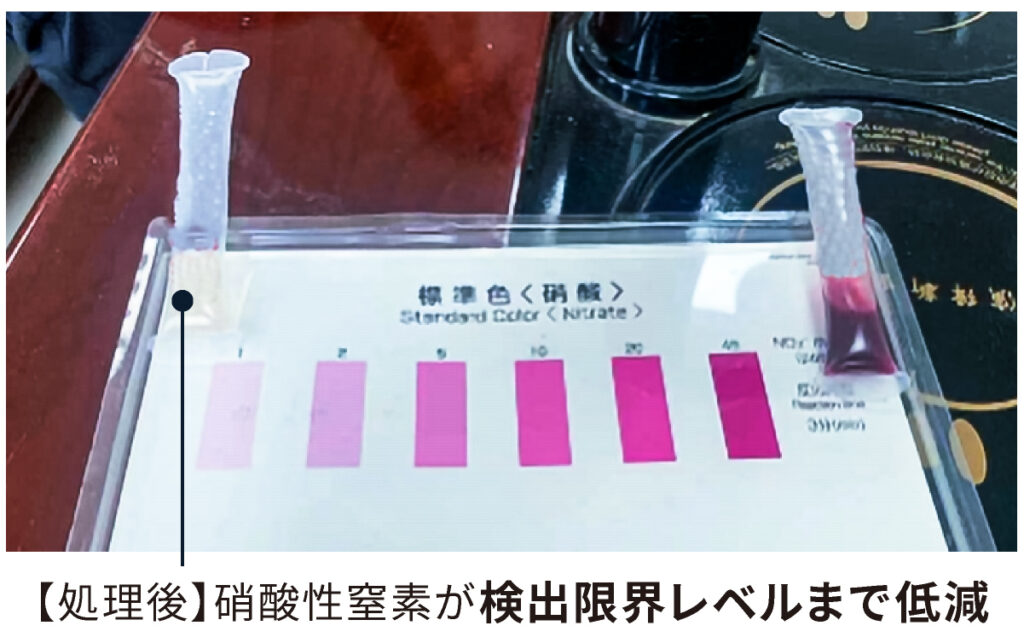
This method removes nitrate nitrogen through natural microbial reactions without the use of organic chemicals.
- Costs of methanol and other chemicals:Almost zero
- Power consumption:minimum
- Processing stability:High load capacity
Analysis results from a third-party organization
96.01%
98.54%
The reason why "maintenance costs are only electricity"
Highly efficient denitrification by microorganisms
Conventional method
Denitrification, which uses chemicals like “burning”.
QCL-SODP
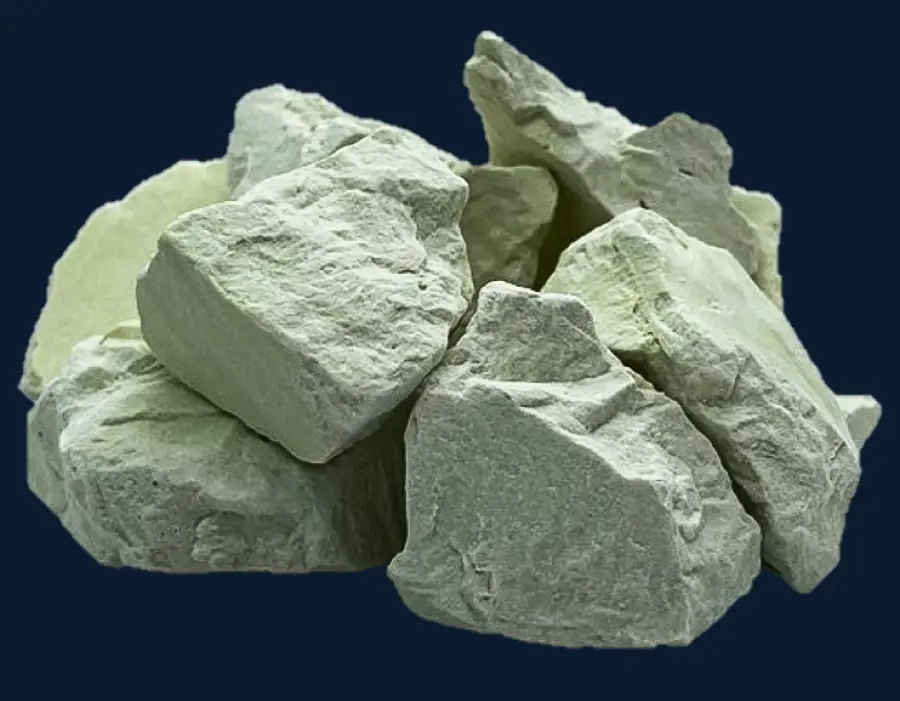
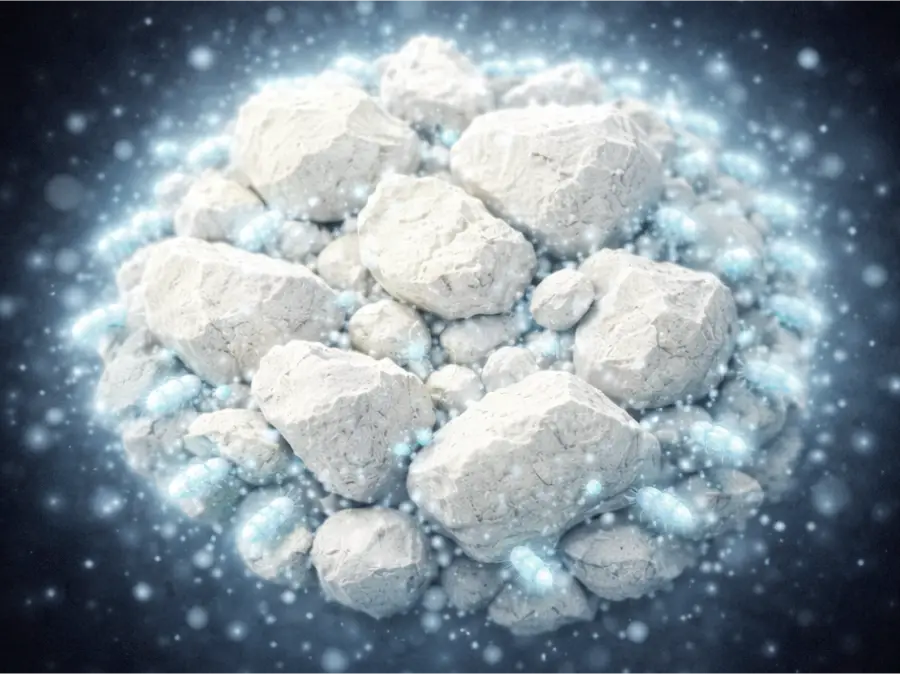
Sulfur oxidizing denitrifying bacteriaThe material is supported on the surface of the denitrification pellets.
BacteriaSulfur necessary for metabolism is supplied from denitrification pellets.Therefore, daily medication administration is unnecessary.
- No need to purchase medication
- No input management required
- Cost fluctuations are minimal.
Denitrification becomes a fixed cost.
Performanceperformance
The process is less likely to break down even under high concentration and fluctuating loads.
This is a strong drainage
It truly shines in "high-load/sway-prone work environments."
- Wastewater with high nitrate nitrogen content
- Factory wastewater load fluctuates daily.
- General industrial wastewater
- Pig farm wastewater
- Closed-loop recirculating land-based aquaculture wastewater (experimental)
*Applicability depends on drainage conditions. Please contact us for details.
Easy to introduce
Simple configuration for easy implementation
It can be implemented using existing equipment. The necessary elements are assembled to suit the site.
1
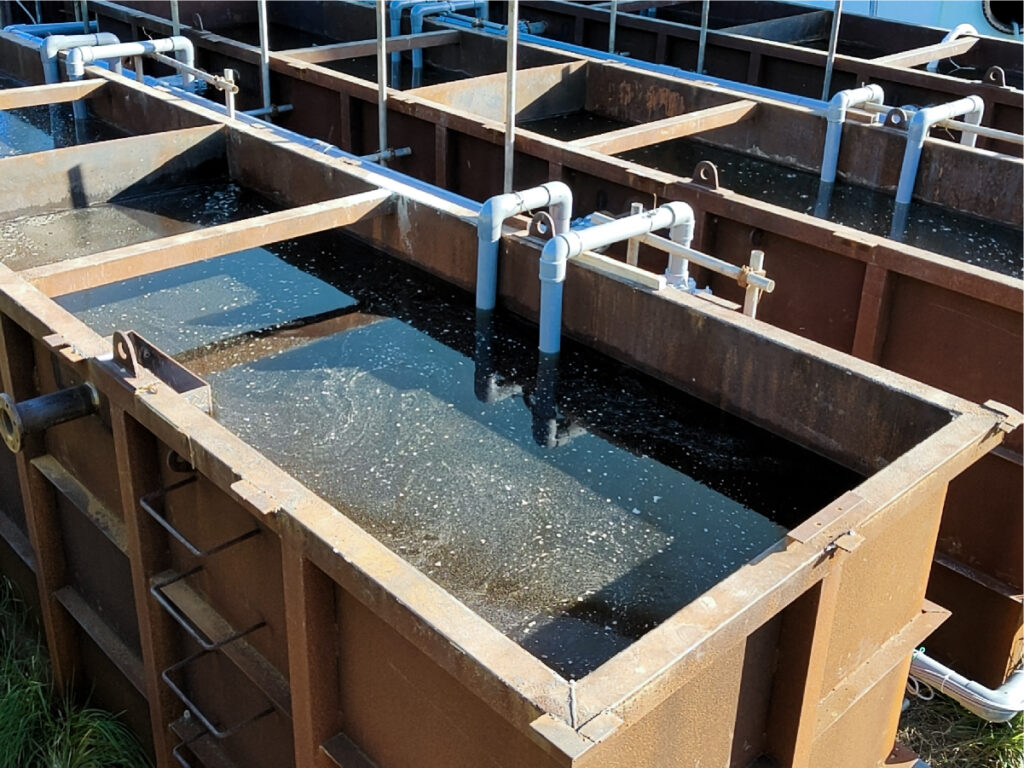
Reaction vessel
The design is tailored to the site conditions, including the utilization of existing water tanks.
2
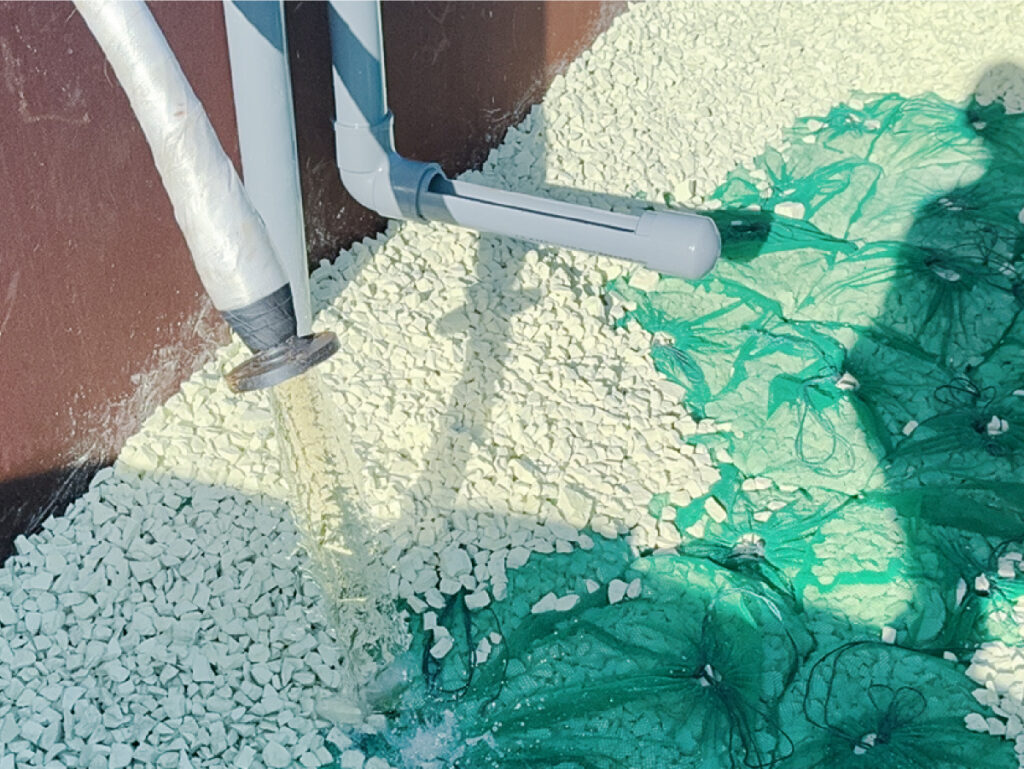
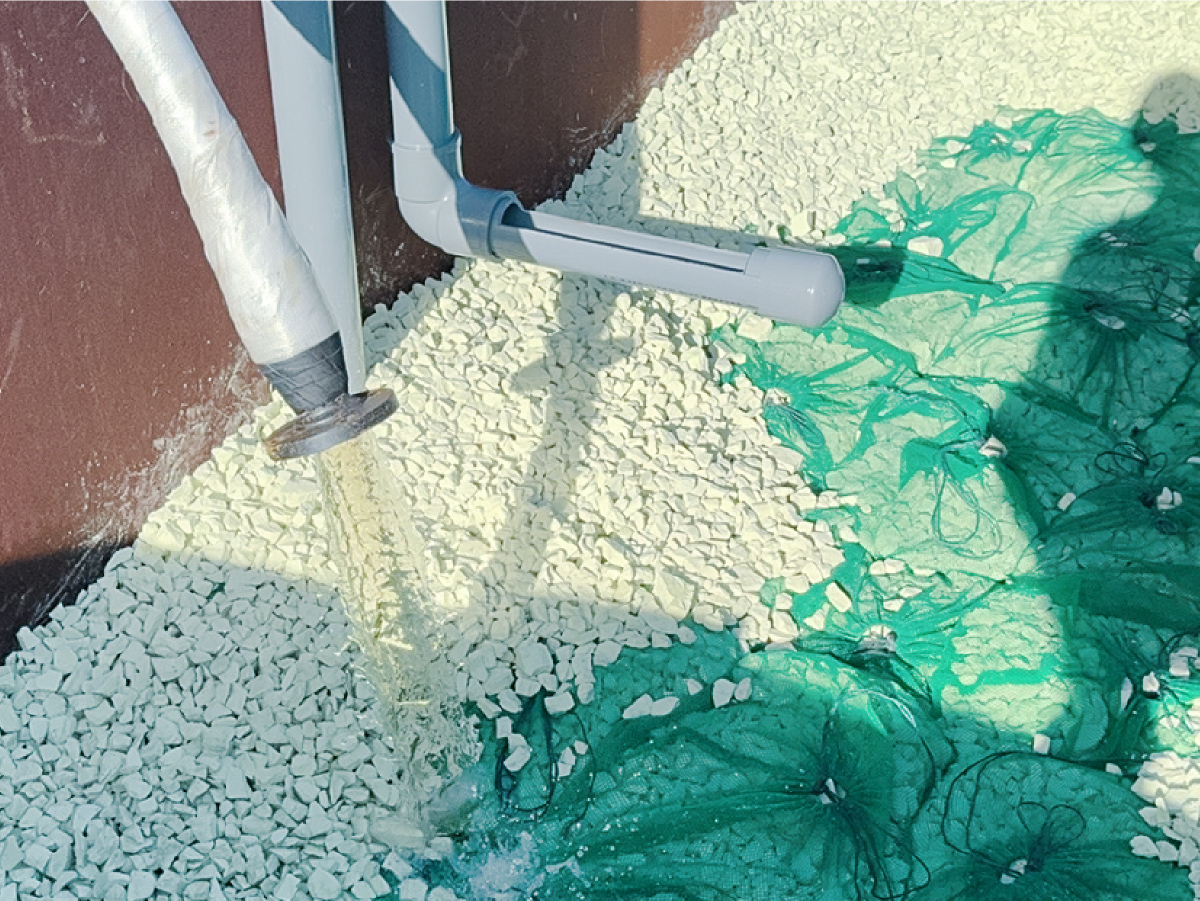
Denitrification pellets (carrier)
The filler material is the “core” of the reaction. It also makes it easier to plan for replenishment.
3
Minimal amenities
Only the necessary piping, water supply, and measurement are included. We avoid excessive equipment configurations.
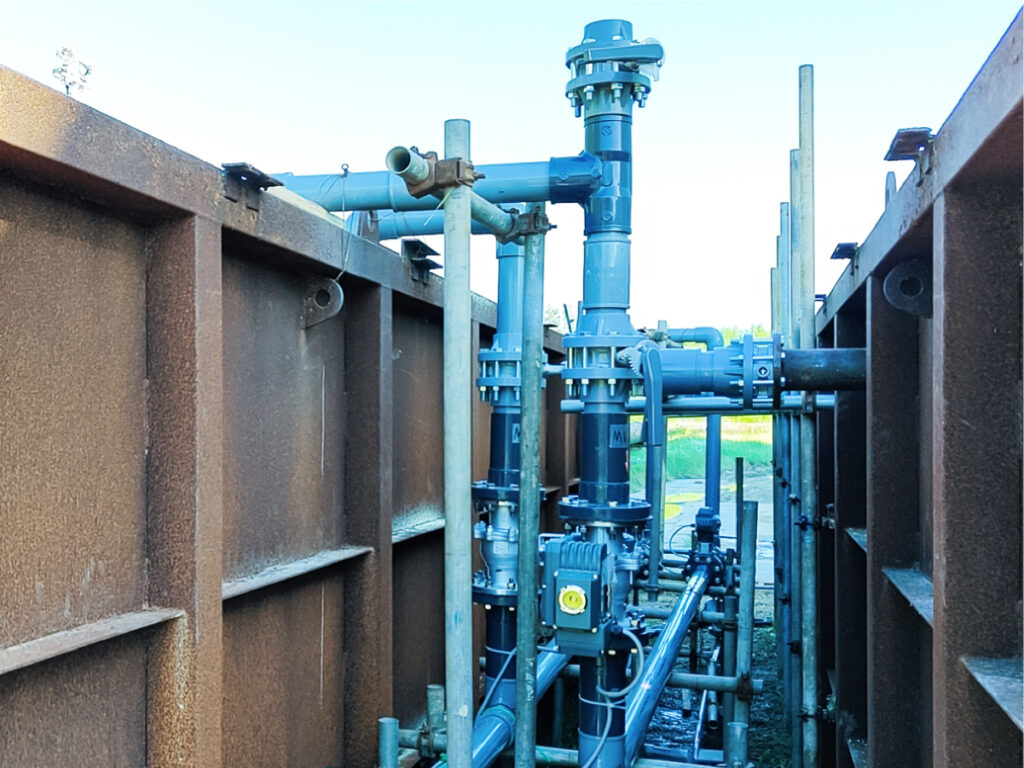
👉 No complex control required
This will make denitrification a “manageable process” without increasing the burden of operational adjustments.
*The actual configuration will be optimized and proposed based on drainage conditions, treatment capacity, installation space, etc.
Purpose
Applicable use
Applicable use
- MBR (Factory/Business Wastewater)
- Food and beverage factory wastewater
- Livestock wastewater
- Domestic wastewater
Processable nitrogen
Nitrate nitrogenandNitrite nitrogen
We cannot process ammoniacal nitrogen or organic nitrogen.
Wastewater rich in ammonia nitrogen needs to be nitrified in the preceding stage.
If you have any problems regarding nitrification, please feel free to contact us.
FAQ
FAQ
Click to see more details.
What are the running costs?
Our denitrification system uses no chemicals whatsoever, and instead utilizes a microorganism called sulfur-oxidizing denitrifying bacteria.There are no ongoing costs associated with medication. Specifically, the following running costs will be incurred:
- Electricity costs for the pumps attached to the reactor (there are three types of pumps: inlet pump, circulation pump, and sludge pump)
- Replenish pellets at a rate of approximately 5-10% per year.
Is it okay even under heavy load?
I run a pig farm. How can I implement a denitrification system?
If the ammonia nitrogen concentration has already been reduced in the aeration tank, our denitrification system can remove the nitrate nitrogen afterward.
If the ammonia nitrogen concentration is high, it is necessary to sufficiently reduce the ammonia nitrogen concentration before allowing it to flow in.
There are three ways to reduce the concentration of ammoniacal nitrogen:
- Increase the number of aeration tanks
- Place the microbially immobilized PVA carrier into the aeration tank.
- Install a membrane breakout system (MBR).
In reality, increasing the number of aeration tanks seems difficult, so I think either PVA (option 2) or membrane separation (option 3) will be necessary.
We can also propose effective PVA and membranes for all of these applications, so please feel free to contact us.
Cases
Case Studies
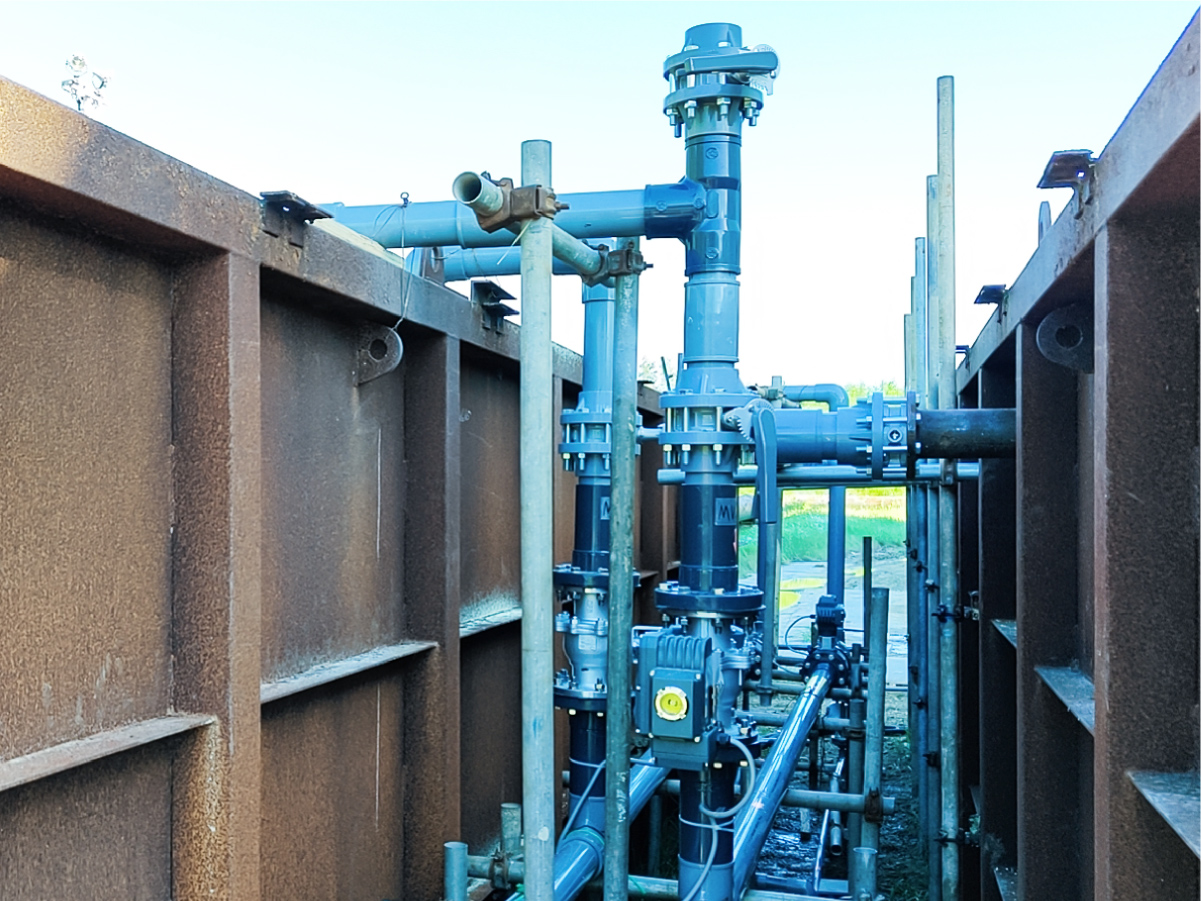
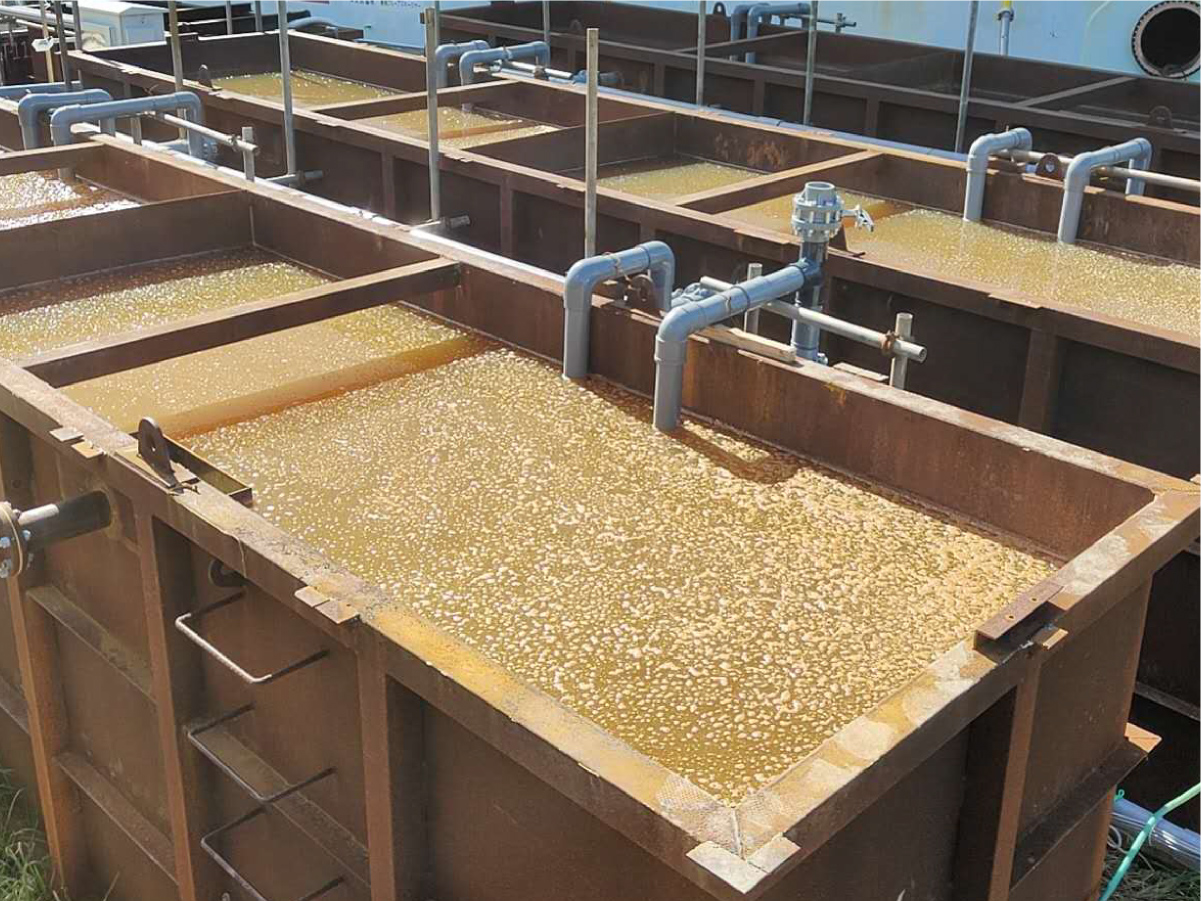
Wastewater treatment from petroleum storage tanks (Japan)
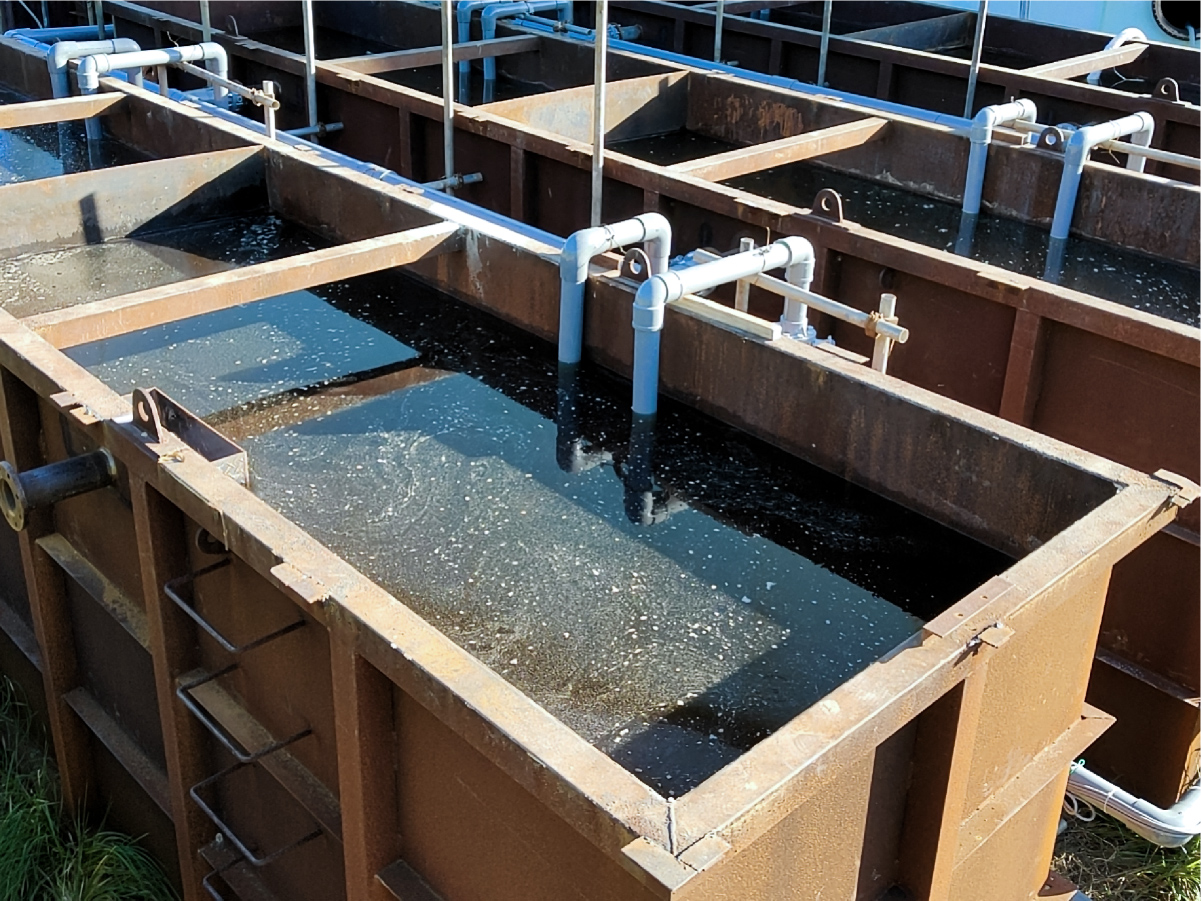
An existing water tank was utilized as a reaction vessel to construct an SODP denitrification system.


Denitrification of restaurant kitchen wastewater (Guizhou Province, China)
Denitrification of anaerobic digestate in biomass plants.
Processing remains stable even with an uneven C/N/P ratio.
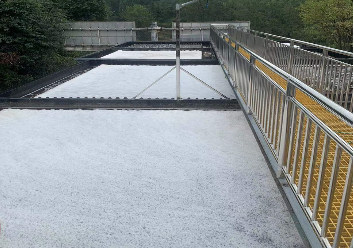
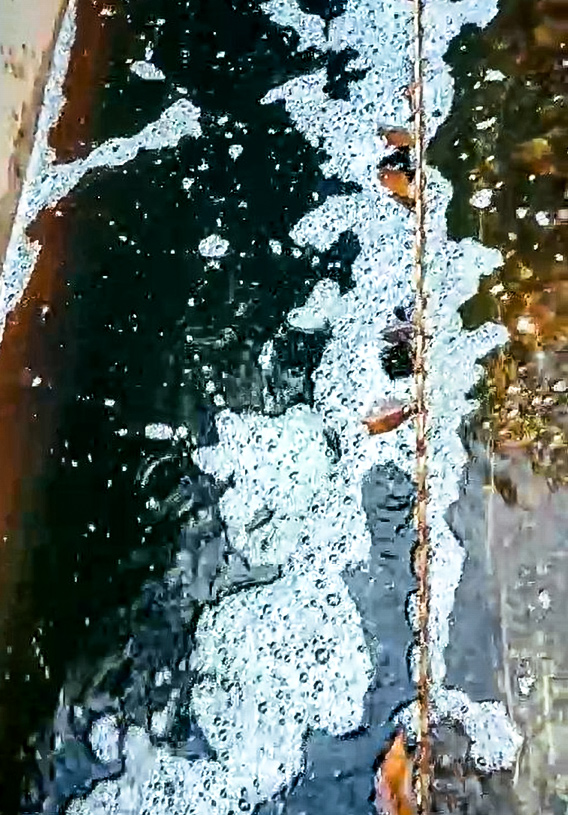
The white substance is nitrogen gas bubbles produced during the denitrification process.
Why not fundamentally reconsider the running costs of denitrification?
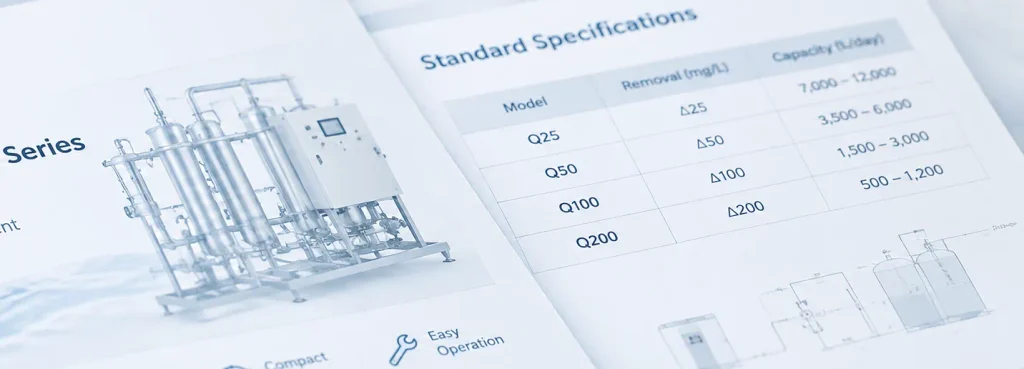
DOCUMENTS
Product leaflets and company profiles
You can view product information and company profiles all in one place.